 ProperNews
NVIDIA has dropped a bombshell in the AI world with the unveiling of Rubin, its most ambitious AI platform to date. Announced on January 5, 2026, Rubin represents a massive leap in rack-scale AI infrastructure, designed for agentic AI, advanced reasoning, and massive inference workloads. Built on extreme co-design across six breakthrough chips, this unified supercomputer is set to power the next generation of AI factories worldwide.
“NVIDIA’s latest Rubin platform promises to redefine AI training and inference, backed by Microsoft and others.“
Why It Matters
Rubin arrives at a pivotal moment when AI demand is exploding. Traditional GPUs are hitting limits, and Rubin addresses this with unprecedented scale. Microsoft is already deploying Vera Rubin NVL72 systems in its AI superfactories, scaling to hundreds of thousands of superchips. Other ecosystem leaders are lining up, signaling Rubin’s potential to dominate.
The platform’s key innovation is its unified architecture, eliminating bottlenecks in training and deployment. Jensen Huang, NVIDIA CEO, called it “the foundation for million-GPU AI factories,” positioning NVIDIA ahead of competitors like AMD’s Helios rack.

AI Supercomputing Processor
Market Impact
Stock analysts predict Rubin’s launch could boost NVIDIA’s market cap by 20% this quarter. Tech giants like Google and Amazon are rumored to test Rubin for their cloud services. For developers, this means faster prototyping of agentic AI—think autonomous agents handling complex tasks without human intervention.
Challenges Ahead
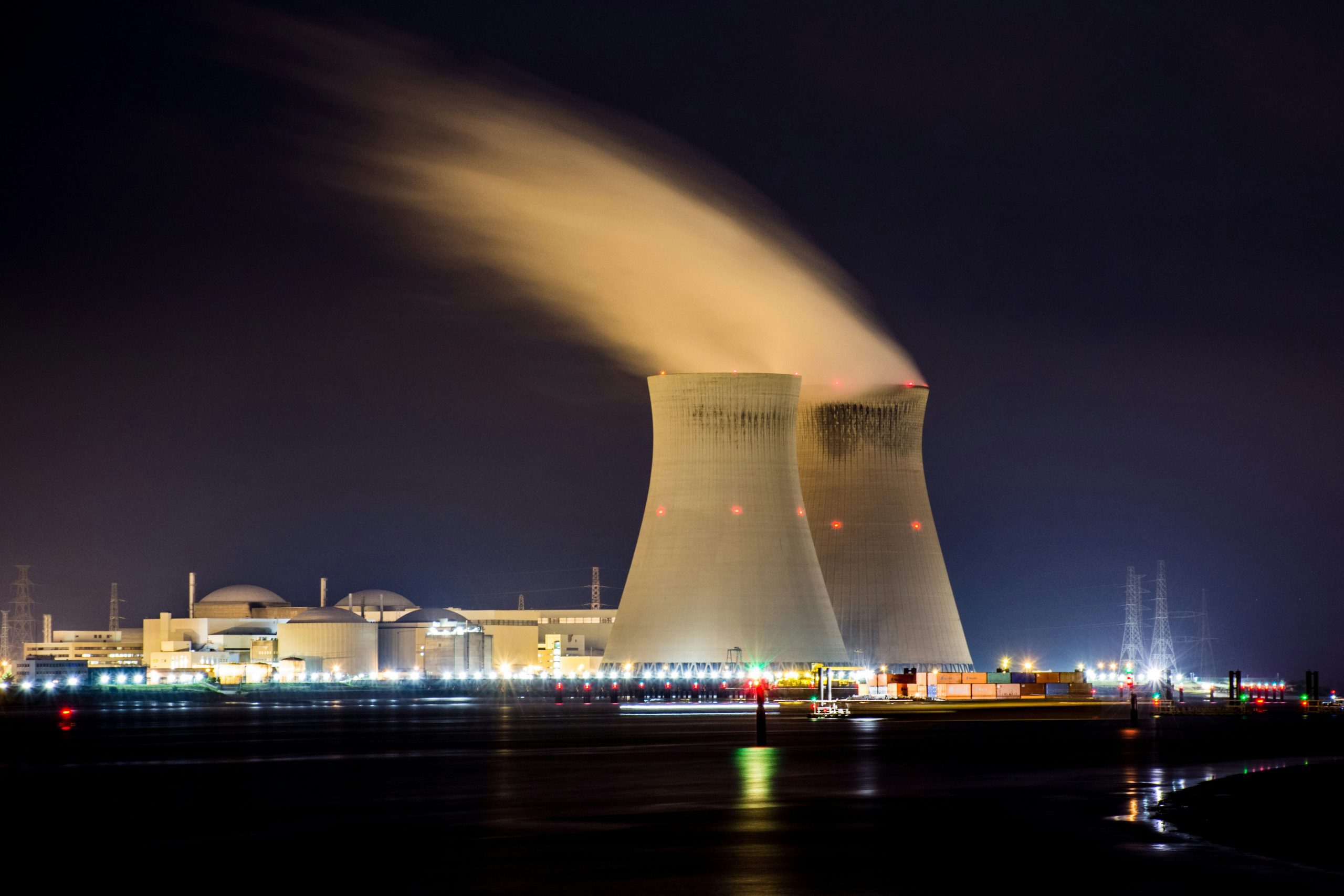
Critics worry about energy consumption; Rubin racks could draw power equivalent to small cities. NVIDIA promises efficiency gains of 4x over previous generations, but sustainability remains key.
As 2026 unfolds, Rubin isn’t just hardware—it’s the backbone of the AI arms race. Watch for availability later this year.